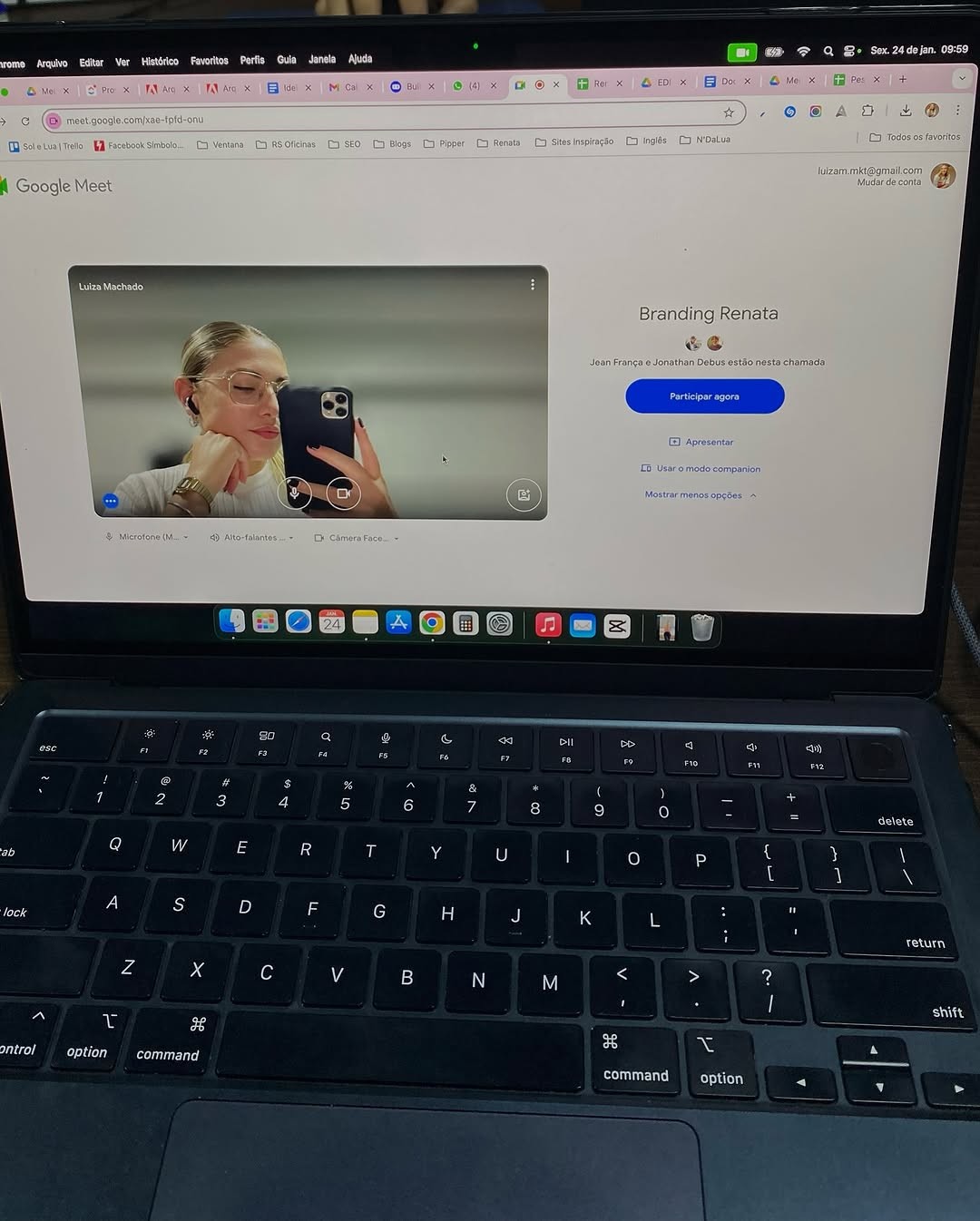
Most fractional executives genuinely run their practice from home: calls with one client in the morning, board prep for another in the afternoon, invoicing and pipeline work in between. That pattern usually supports a legitimate home office deduction, employee remote workers cannot take it, but self-employed fractional executives can.
Exclusive and regular use while serving multiple clients
Two tests gate the deduction. The space must be used regularly for the business, and it must be used exclusively for it. Exclusive is the strict one: a dedicated room or a clearly defined area that does nothing else. A desk in a guest bedroom can qualify if the desk area is used only for work; the kitchen table where the family also eats cannot. Serving multiple clients from the same office is not a problem, your practice is one business, and all the retainer work flows through it.
The office must also be your principal place of business. For a fractional executive this is where a myth needs killing: spending two days a week on-site with an anchor client does not sink the deduction. Under the rules, a home office qualifies as your principal place of business if you use it regularly for the administrative and management work of the practice, scheduling, billing, proposals, bookkeeping, client correspondence, and you have no other fixed location where you conduct that work. A desk a client lends you in their office is their location, not yours, and does not count against you.
The $5 simplified rate versus Form 8829 actual costs
You can calculate the deduction two ways. The simplified method is $5 per square foot of office space, capped at 300 square feet, so a maximum of $1,500, with no receipts to track. The actual-expense method, filed on Form 8829, deducts the business-use percentage of real housing costs: rent or mortgage interest, utilities, homeowners or renters insurance, repairs, and depreciation if you own. If your office is 12% of the home, 12% of those costs become deductible against your fractional profit on Schedule C.
Which wins depends on your housing costs. High rent in a major metro usually makes the actual method worth the paperwork; a small office in an inexpensive home often nets out near the simplified cap anyway. You can choose fresh each year. Homeowners should know that depreciation claimed under the actual method is recaptured as taxable income when the house sells, which is a reason some owners prefer the simplified rate. One more limit: the deduction cannot push your business income below zero, though disallowed actual-method amounts can carry forward to future years.
Whatever you claim, document it once: measure the space, photograph the setup, and keep the utility and insurance statements with your tax file. It is a five-minute job that makes the deduction easy to defend.