Nothing in the Internal Revenue Code or Treasury regulations mandates a physical site visit for a cost segregation study. What the IRS Cost Segregation Audit Techniques Guide describes is the substance an examiner expects: the study should document the property's components well enough that the asset classifications can be verified. How the engineering firm gathers that evidence, in person or remotely, is a methodology choice.
What a virtual inspection actually involves
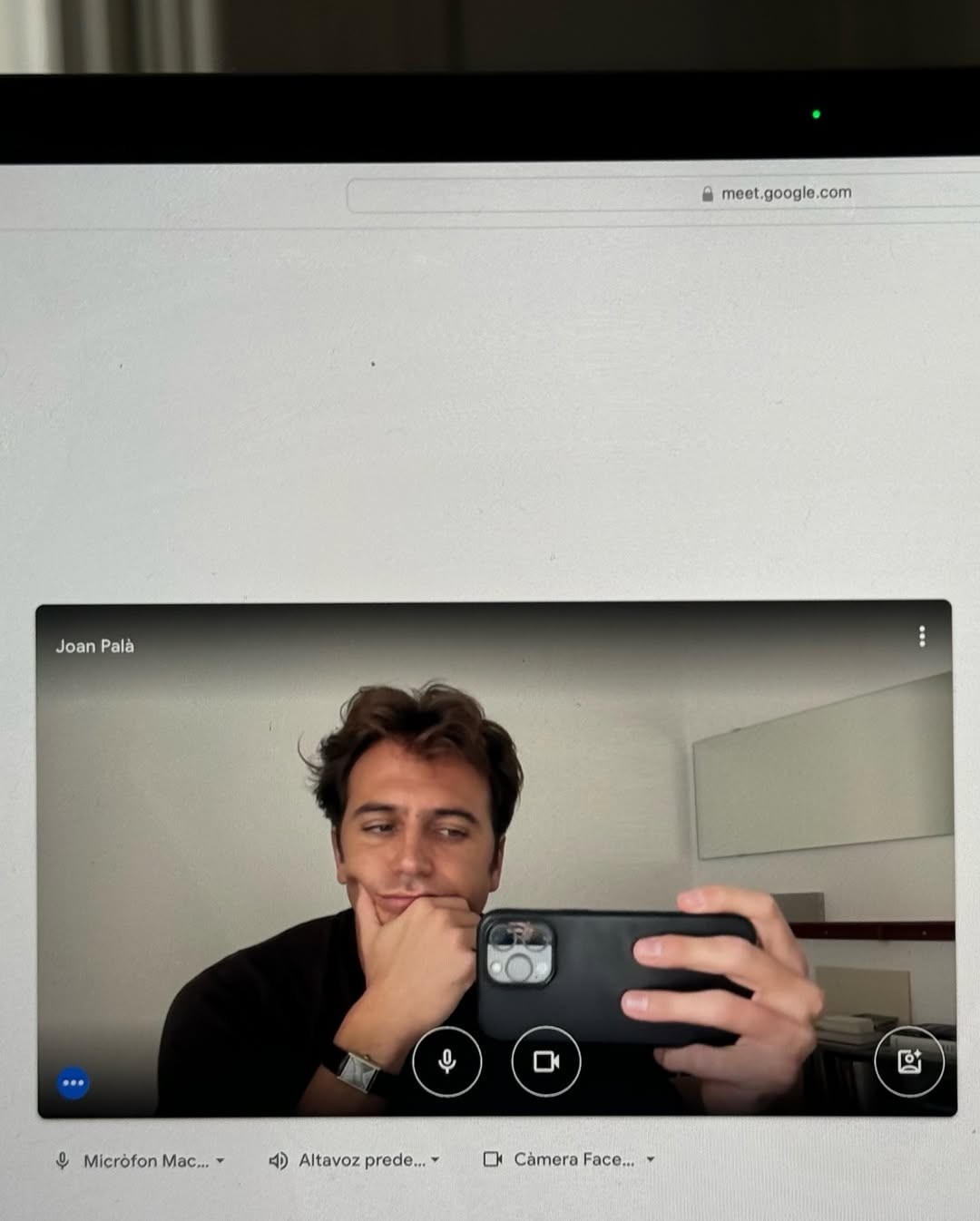
In a virtual inspection, the engineering firm directs a video walkthrough, usually with the owner or property manager holding the camera, and pairs it with dated interior and exterior photos, floor plans, the appraisal, and renovation records. The engineer identifies the same things an on-site visit would: flooring types, millwork, electrical distribution, plumbing serving equipment rather than the building shell, site paving, fencing, and landscaping. For a typical single-family or small multifamily rental, this evidence set supports the 5, 7, and 15 year classifications about as well as a walkthrough.
When on-site earns its cost
Physical inspections pull ahead on complex properties. A $2,000,000 self-storage facility with gate systems, perimeter fencing, extensive paving, and unit partitions has a large 15-year land improvement and 5-year component base where direct observation and measurement tighten the allocation. Specialized buildings such as medical offices, restaurants, and car washes carry process-related plumbing and electrical that an engineer can trace more reliably on site. Heavily renovated properties with thin invoice records are also better candidates for in-person review, since the engineer must reconstruct costs from observation.
A worked example
An out-of-state owner holds a $900,000 8-unit building 1,400 miles from home. Her property manager runs a 40-minute guided video walkthrough, uploads 85 photos, and sends the floor plans and the 2023 settlement statement. The engineering firm issues a full report classifying roughly a quarter of the depreciable basis into short-life classes, with the video and photo set archived as inspection evidence. No flight required, and the documentation trail is exactly what the Audit Techniques Guide contemplates.
What this means for audit posture
An examiner reviewing the study cares about whether classifications are supportable, not whether the engineer was physically present. A virtual study with thorough, dated visual evidence and a clear methodology section stands up; a thin report does not, regardless of inspection type. Keep the walkthrough video, photos, and plans with your tax records.
Where Amadae fits
Amadae does not perform inspections of either kind. Its cost segregation screen models the expected benefit so you can decide whether a study is worth buying, then Amadae coordinates with the independent engineering firm, helps assemble the documents the inspection needs, prepares Form 3115 with the section 481(a) catch-up when the study is a look-back, and files the return that uses the final report.